This week on the podcast:
Apple’s 27 OSes are out, but a new beta is already overshadowing them. The guys talk about both, celebrate a huge milestone in Relay’s St. Jude campaign, and dream of future Apple Stores.

This week on the podcast:
Apple’s 27 OSes are out, but a new beta is already overshadowing them. The guys talk about both, celebrate a huge milestone in Relay’s St. Jude campaign, and dream of future Apple Stores.
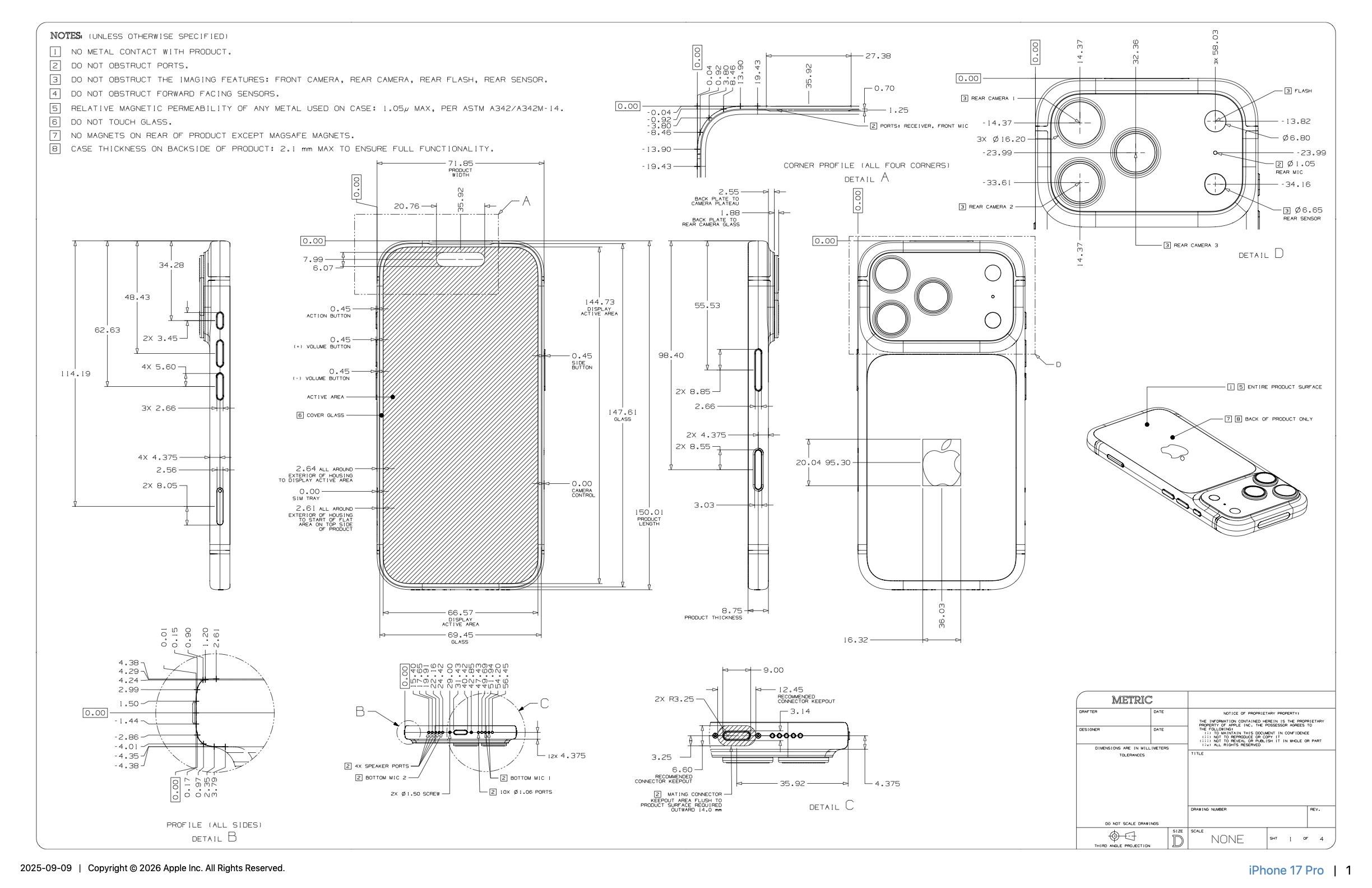
Dr. Drang, bouncing off my recent post on Apple’s dimensional drawings:
When I zoomed in on Stephen’s page, I was initially confused, but then I realized what seemed odd to me. You see, I’ve spent an awful lot of the past 40 years looking at engineering drawings, and I can’t think of any that looked like this. That’s because the drawings I’m used to are for making the depicted product, but the drawings Apple’s offering up here aren’t for that. These are for others—not Apple and not its suppliers—to use for making cases and other accessories. I figured it was worth a quick post on what makes a drawing like the one above so different from what I’m used to.
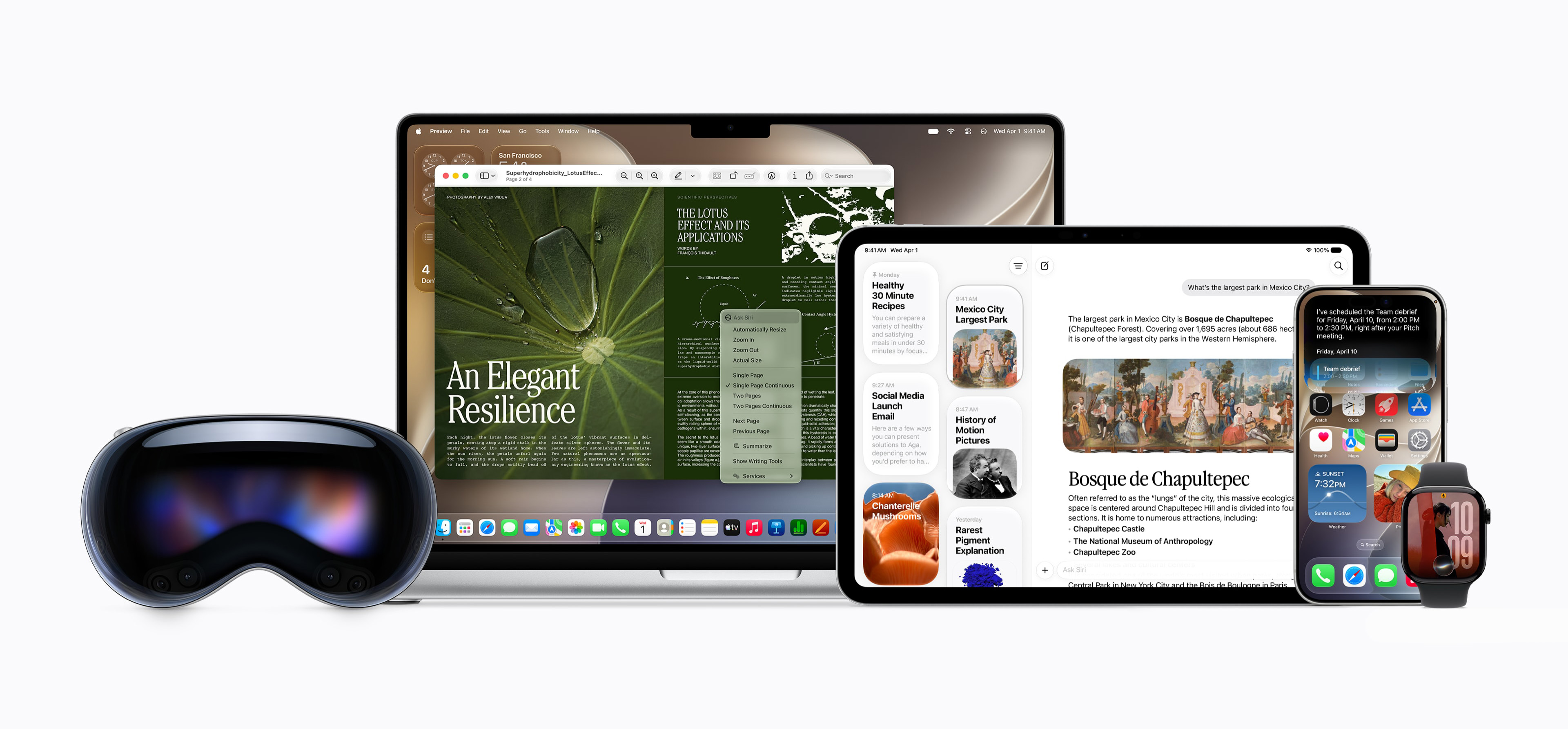
Apple’s 27 OSes are rolling out today, and there’s a lot of great stuff to read:
As is tradition, I have made and cataloged a whole bunch of screenshots of the new version of macOS.
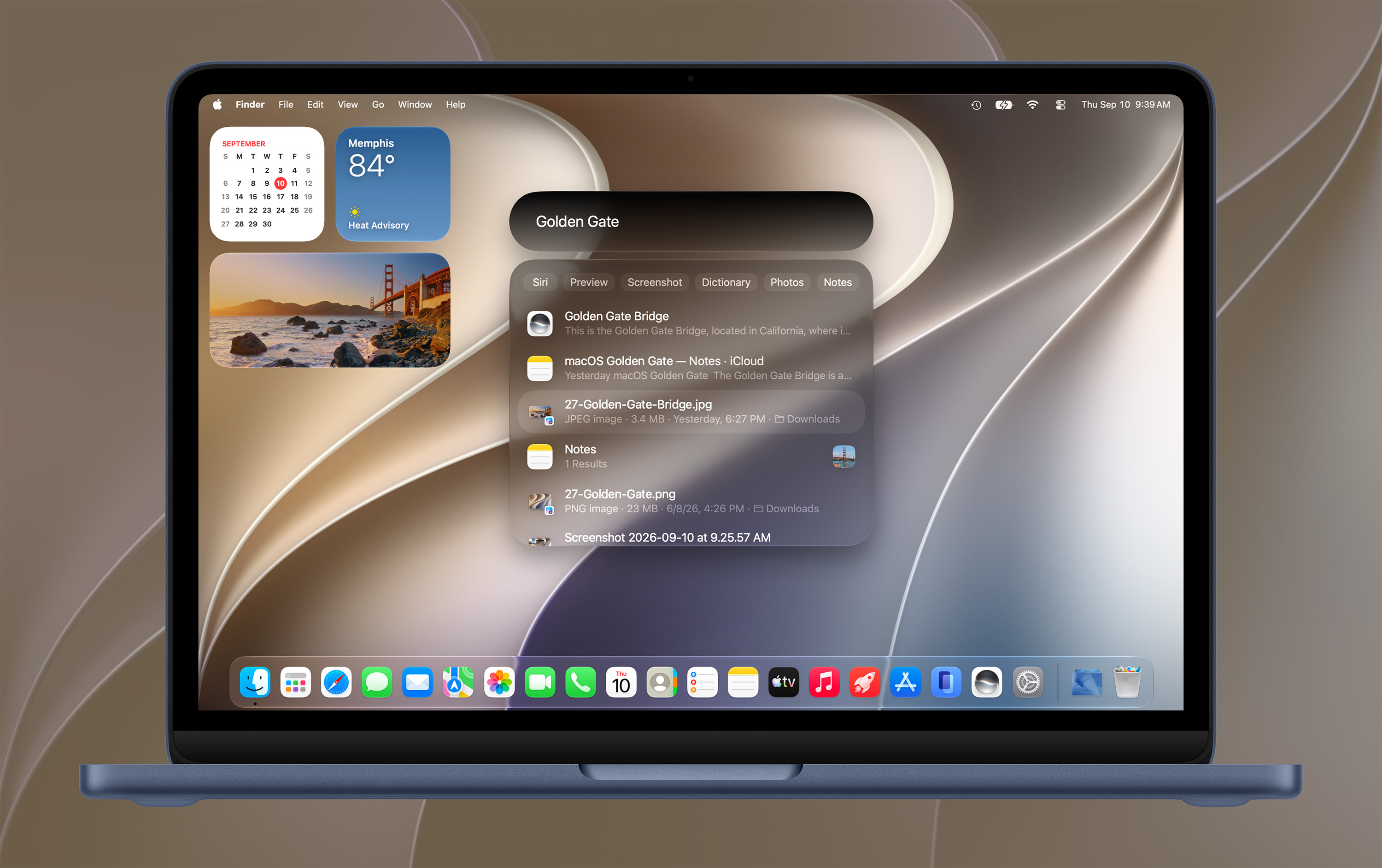
Golden Gate is the 24th version of macOS that I have documented this way. It’s a lot of work, but I love having the screenshot library as a resource for folks to use and enjoy.
If you haven’t looked through the library in a while, you should check out my new-ish comparison tool. You can type what you are looking for, and the page will surface related screenshots, sorted by age. It is a lot of fun.
The 512 Pixels macOS Screenshot Library is sponsored by SoundSource, from the fine folks at Rogue Amoeba.
Mark Gurman has good news for Apple Store visitors:
In many stores, Apple will replace the video walls with dedicated Genius Bars, marking a return to a familiar element from an earlier era. The design resembles the Genius Bars of the past but with an all-wood look. There will be two counter heights for accessibility, while the wall behind the bar will include storage drawers and large posters highlighting new products.
The new Genius Bars and Avenue bays will be designed to mesh with existing stores and look fully integrated — as if they had been part of the original design.
Apple has been tinkering with this for a little while in select stores, and it is good to see that the company is considering rolling it out more broadly.
For a decade, Apple’s changes to its stores have made them more confusing and chaotic. This is a step in the right direction.
Something remarkable happened over at Relay’s campaign for St. Jude.

We have now raised more than $5 million for St. Jude since we started this project in 2019.
If you had told me back then that this would be possible, I would not have believed you. The Relay community has proven me wrong, and I’m so thankful for it. Let’s keep the party going.
This is Relay’s dent in the universe.
The eve of iPhone 18 Pro pre-orders seems like a good time to look back at the iPhone 17 family’s adoption. Here’s the 17 family data as a percentage of overall usage for Widgetsmith.
Generally, they followed the usual adoption pattern and overall did very well, ending at around 20% of total usage.
With the exception of the Air really struggling to find market share. For comparison, the 16 Plus ended its first year at around 1.4% (vs. the Air’s 0.3%).
The graph is pretty pretty pretty pretty rough for those of us who love the iPhone Air:

Widgetsmith is huge and is much more representative of real-world performance than apps written for a nerdier audience. I suspect the overall sales of these phones look a lot like this chart.
I believe we’ll see an update to the Air in the spring, with the same rear camera system as found on the iPhone Duo. Past that? I think Apple may pull the plug.
This is one of my favorite pages across Apple’s various websites. I mean, just look at this drawing of the iPhone 17 Pro:
In the shadow of Apple’s Surprise and Shine event, we grade our predictions and talk through the news.
Many picks were made. One Chairman will be named.
Who will win? Who will fold?
Ahhh, the Duo-ality of the Rickies!
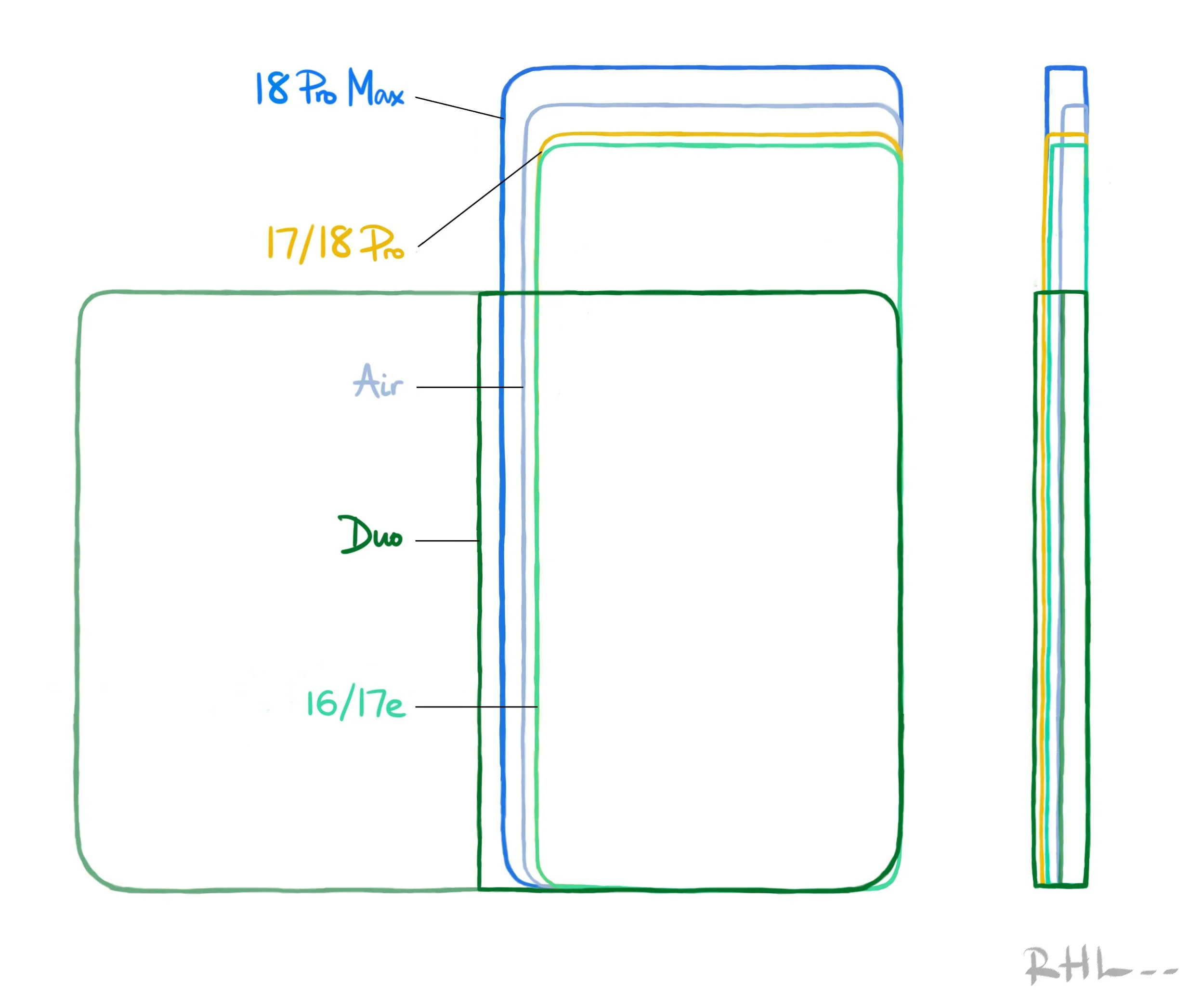
Kate Matthews has an on-going project that I just love:
I’ve been sketching size comparisons for the new iPhone models since 2017, so in 2026 I’m celebrating ten years of iPhone size sketches!
This is just a sample of what awaits you:
Well, this little Easter Egg in Apple’s 27 OSes is fun. If you go into Settings → Appearance → Liquid Glass and scroll down far enough in the example content, an old friend appears:
This 3D version of Clarus can also be found within macOS 27 Golden Gate:

My thanks to Federico Viticci for sending this my way!
If you have an iPhone, you’ll want to check these out.
Thankfully, there’s some time between now and when the iPhone Duo ships next month.